Delving into the History of Vintage Garments: A Journey Through Distinctive Styles and Currents
The chronicle of classic apparel reveals a tapestry of designs that mirror societal shifts. Each decade brought forth unique trends, from the flapper garments of the 1920s to the power suits of the 1980s. These styles not only shaped personal expression but also emphasized cultural movements. As one explores the evolution of these legendary looks, the impact on modern apparel becomes increasingly evident, prompting inquiries about the recurring pattern of style.
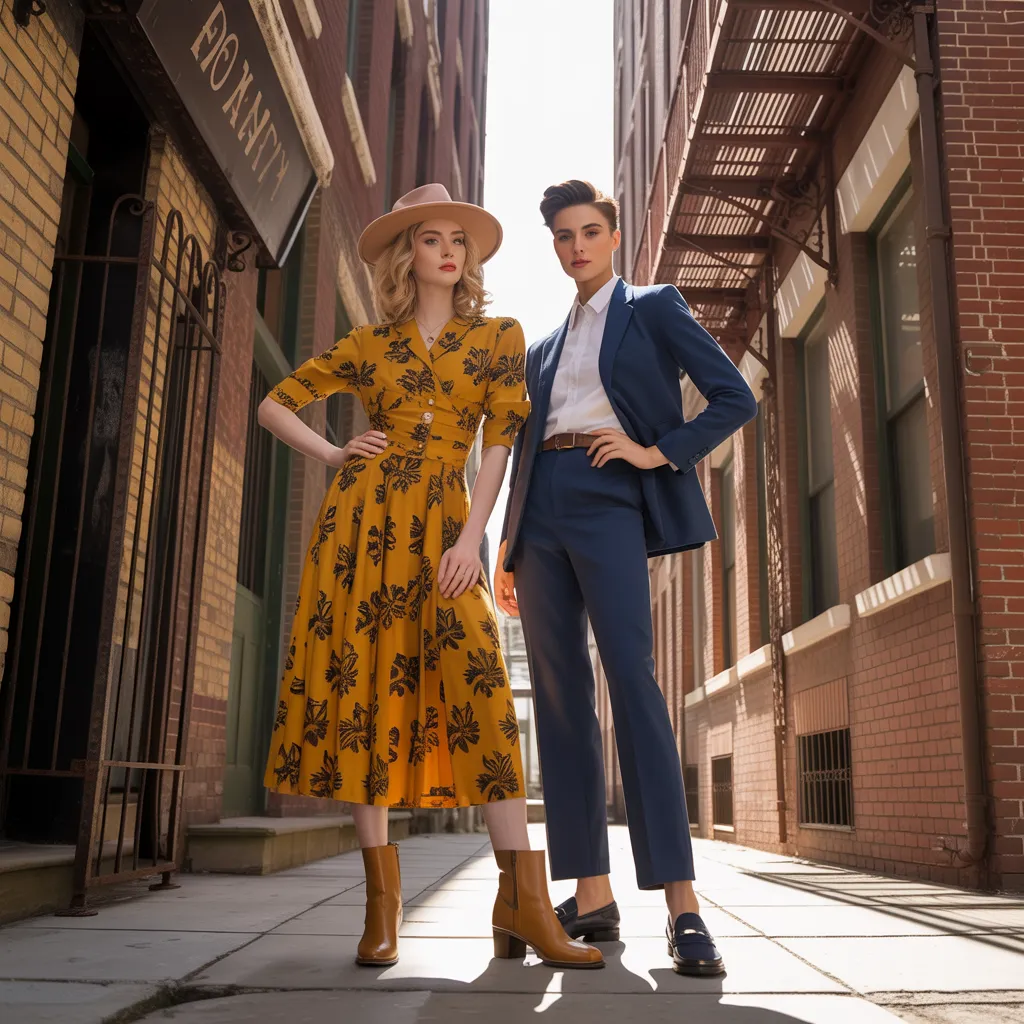
Vintage Fashion in the Roaring Twenties: Flapper Dresses and Jazz Era Elegance
The Roaring Twenties represented a revolutionary era in style, characterized by the emergence of flapper dresses and the vitality of Jazz Age glamour. This period saw women adopt a more independent lifestyle, reflected in their clothing choices. Flapper dresses, often adorned with fringes and beads, showcased drop waists and loose silhouettes, allowing for freedom of movement on the dance floor. The iconic bob haircut complemented this new style, symbolizing rebellion against traditional femininity.
Fashion became more accessible due to mass production, with department stores offering ready-to-wear garments. Bold colors, geometric patterns, and lavish materials like silk and satin characterized the aesthetic of the time. Accessories such as cloche hats and long pearl necklaces completed the flapper look, emphasizing a modern, youthful spirit. This vibrant fashion movement not only transformed women's attire but also questioned societal norms, opening doors for future generations in the domain of style and self-expression.
1930s Style: Hollywood Elegance and Structured Looks
As Hollywood rose to prominence in the 1930s, clothing commenced to mirror the glamour and sophistication of the silver screen. The decade became synonymous with elegant silhouettes, defined by bias-cut gowns that fell elegantly over the body, emphasizing figures. Iconic actresses like Jean Harlow and Greta Garbo represented this aesthetic, often adorned in sumptuous textiles such as silk and satin.
Tailored looks emerged, focusing on defined silhouettes and precision. The widespread appeal of the tailored suit for women indicated a watershed moment, reflecting liberation and a break from conventional roles. Designers like Madeleine Vionnet and Elsa Schiaparelli transcended limitations, bringing forth novel forms and vivid palettes.
Cloche hats and statement adornments completed the refined aesthetic. This era set a standard of elegance that transformed style for decades, creating an indelible impression on the evolution of vintage fashion.
1970s Trends: Groove, Graphics, and Bohemian Energy
Bold and lively, the fashion of the 1970s embraced a blend of disco flair, eclectic prints, and hippie influences. This era marked a substantial shift from the structured styles of earlier decades. Disco culture dominated nightlife, inspiring outfits decorated with sequins, metallic fabrics, and form-fitting silhouettes. As dance floors throbbed with music, bell-bottom pants and platform shoes turned into vital wardrobe staples.
Meanwhile, bohemian styles developed, expressing a easygoing, unrestrained spirit. Flowing maxi dresses, crochet tops, and large-brimmed hats expressed the quality of the generational shift. Earthy tones and vibrant patterns expanded, often incorporating ornate floral and paisley elements that echoed a connection to nature.
Prints spanned from angular forms to copyright swirls, demonstrating personal creativity. The 1970s embodied a revolutionary era in style, where personal style thrived and cultural movements influenced the visual environment, establishing an lasting impact that keeps motivating modern fashion creators.
1980s Wardrobe: Powerful Suits and Intense Shades
Fashion in the 1980s was similar resource defined by strong silhouettes and bright hues, signifying a significant change in both aesthetic and cultural values. This time experienced the emergence of structured shapes, regularly accentuated with broad shoulders and striking lapels, symbolizing a new sense of confidence among professional women in the workplace. Designers like Giorgio Armani and Claude Montana made famous these bold outfits, which were regularly paired with statement accessories, like large jewelry and chunky belts.
The color palette of the decade was equally bold, displaying neon hues and bright pastels that transmitted energy and optimism. Fashion extended beyond mere clothing; it was a representation of self-assertion and distinctiveness. The influence of popular culture, principally by means of broadcast media and musical genres, further accelerated these styles, establishing authoritative business attire as a fundamental element for all people. The 1980s ultimately reshaped conventional fashion perspectives, recognizing a remarkable synthesis of professionalism and personal expression.
1990s Longing: Grunge and Vintage Return
The 1990s grunge aesthetic marked a significant departure from previous fashion movements, embracing a more casual and anti-establishment look. This change not only influenced personal expression but also ignited a resurgence of vintage clothing, as people looked for authentic pieces from past decades. The interplay between grunge and vintage has shaped contemporary fashion, highlighting the cyclical nature of style.
The Grunge Style Revolution
As the 1990s nostalgia saturates contemporary culture, the grunge style has emerged as a notable influence in the revival of vintage fashion. Characterized by its defiant spirit, grunge pulls inspiration from alternative rock and youth movements of the era. Key elements include oversized flannel shirts, distressed denim, and combat boots, evoking a laid-back yet edgy vibe. This aesthetic speaks to a yearning for authenticity and individuality, differing sharply with the polished looks of previous decades. Social media platforms have facilitated this resurgence, allowing vintage finds and DIY fashion to flourish among younger generations. As consumers embrace thrift culture, the grunge aesthetic not only celebrates a bygone era but also promotes sustainable fashion practices in the modern landscape.
Vintage Resurgence Influence
While nostalgia for the 1990s continues to shape contemporary style, the comeback of vintage fashion transcends mere trend revival. This movement reflects a deeper cultural yearning for authenticity and individuality, as younger generations seek connections to past aesthetics. The grunge look, characterized by thrifted flannel shirts, distressed denim, and combat boots, has seen renewed popularity, denoting a rebellion against polished mainstream fashion. Style leaders and fashion experts alike draw inspiration from iconic styles, merging them with modern sensibilities. This vintage resurgence not only reinvigorates old silhouettes but also encourages sustainable practices by promoting second-hand shopping. Ultimately, the influence of vintage fashion serves as a bridge between eras, allowing individuals to articulate their identities through a tapestry of styles and stories.
How Does Classic Fashion Influence Modern Trends?
In what ways does classic style continue to shape present-day fashion? Vintage fashion offers a rich source of ideas for current fashion professionals and style aficionados alike. Components from earlier periods, including the striking designs of the 1960s, the fitted cuts of the 1950s, and the bohemian flair of the 1970s, frequently resurface in current lineups. Fashion professionals regularly reconceive these fashions, combining them with modern aesthetics to develop fresh looks that resonate with modern buyers.
Furthermore, social media platforms play an essential role in bringing back vintage trends. Content creators and style experts showcase vintage-inspired outfits, encouraging their followers to embrace retro styles. This phenomenon has led to a greater recognition of diverse fashion expressions, enabling individuals to mix and match vintage pieces with modern attire. Ultimately, the cyclical nature of fashion guarantees that vintage influences stay central to the evolution of contemporary style narratives.
Mixing Classic Pieces Into Your Closet: Tips and Tricks
Incorporating classic items into your collection can improve personal style and produce one-of-a-kind ensembles. To begin, one should locate vintage items that match their taste, whether it's a 1970s bohemian dress or a classic 1950s blazer. Combining these garments with contemporary clothing can establish a balanced look; for instance, matching a vintage skirt with a modern top guarantees a unified fashion statement.
Accessorizing is critical—classic accessories or a retro handbag can amplify an outfit without overwhelming it. Additionally, emphasizing proper sizing is essential; tailoring vintage items can guarantee they flatter the current figure.
Shopping at thrift stores or retro shops allows the discovery of one-of-a-kind treasures. Ultimately, self-assurance is important when adopting vintage looks; sporting these pieces with enthusiasm will highlight individual flair and uniqueness. By following these tips, individuals can smoothly weave vintage fashion into their daily attire.
Popular Asked Queries
What Sets Apart "Vintage" Fashion Against Other Aesthetic Directions?
Vintage fashion embodies genuineness, era, and historical importance, typically encompassing styles from at least 20 years prior. It stands apart from contemporary fashion, which focuses on current trends and innovations over historical context.
How Can I Identify Authentic Vintage Pieces?
Genuine vintage items can be identified by examining labels, stitching techniques, material excellence, and design details. Furthermore, researching fashion era characteristics and seeking expert opinions can help guarantee the genuineness of the garments.
Where can you locate classic wear occasions or expos worth visiting?
Many retro clothing gatherings and exhibitions occur globally, showcasing genuine items. Visitors can browse neighborhood bazaars, countrywide celebrations, and specialized trade shows, allowing fans to connect, purchase, and enjoy varied aesthetics from different time periods.
What Considerations Must I Think About When Caring for Vintage Clothing?
When caring for antique garments, one should consider material composition, proper cleaning methods, preservation environment, and avoiding direct sunlight. Regular inspections for damage and delicate care can preserve the garment's integrity and longevity.
In What Ways Do Various Cultures Impact Vintage Fashion Trends?
Multiple societies influence retro style movements through unique textiles, traditional patterns, and period clothing. This connection generates a elaborate collection of styles, enabling modern fashion creators to reimagine and honor varied cultural legacies in contemporary style.